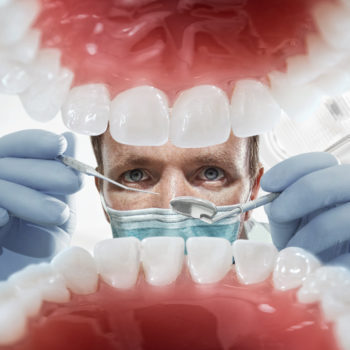

Comprehensive Dental Care for a Healthy Smile
Maintaining a healthy smile requires a holistic approach to dental care that encompasses regular check-ups, preventive measures, and good oral hygiene practices. Patients should understand the importance of comprehensive dental care, which not only addresses existing issues but also prevents future problems.
Incorporating routine dental visits, professional cleanings, and personalized care plans can significantly enhance oral health. For instance, a patient who regularly visits the dentist is more likely to catch issues like cavities or gum disease early, leading to more effective treatment and better long-term outcomes.
Understanding Common Dental Procedures
Many patients may feel apprehensive about visiting the dentist due to a lack of understanding regarding common dental procedures. It is essential to demystify these treatments to alleviate fears and encourage proactive dental health management.
Common procedures such as fillings, root canals, and extractions are performed regularly and can be explained in detail to patients. For example, a filling is a straightforward procedure that addresses cavities, while a root canal treats infection in the tooth's pulp, both of which are vital for preserving dental health.
Tips for Choosing the Right Dentist
Selecting the right dentist is crucial for ensuring a positive dental experience and achieving optimal oral health. Patients should consider various factors when choosing a dental professional, including qualifications, experience, and the range of services offered.
Recommendations from friends and family, online reviews, and initial consultations can provide valuable insights. For instance, a dentist who specializes in family dentistry may be the best choice for those with children, while someone seeking cosmetic enhancements might prefer a dentist with extensive experience in that area.
Preventive Care: The Key to Long-Term Dental Health
Preventive care is the cornerstone of maintaining dental health and avoiding complex procedures in the future. This approach includes regular dental check-ups, cleanings, and patient education on proper oral hygiene practices.
By prioritizing preventive care, patients can significantly reduce the risk of developing serious dental issues. For example, fluoride treatments and sealants can protect teeth from decay, while routine cleanings help remove plaque and tartar buildup, thus promoting overall oral health.