
(724) 836-2433
Schedule an appointment
Facebook
Twitter
Google+
Yelp
Del Kovacevic DMD logo featuring a tooth symbol and text emphasizing cosmetic dentistry and implantology.
  • Our Team
  • Family
    • Family of four smiling outdoors, with parents holding children on their backs, portraying a joyful moment in a family-friendly setting.
    • Family and General

      • Root Canal Therapy
      • Fillings, Sealants, and Crowns
      • Dental Crowns
      • Preventive Dentistry
      • General Dentistry
      • Technology
      • Family Dentistry
      • Root Canal Therapy
      • Fillings, Sealants, and Crowns
      • Preventive Dentistry
        • Dental Sealants
      • General Dentistry
    • Close
  • Cosmetic
    • Smiling young woman with healthy teeth and natural beauty in outdoor setting, representing cosmetic dentistry benefits.
    • Cosmetic Dentistry

      • Clear Correct Invisible Braces
      • Teeth Whitening
      • Dental Bridges
      • Porcelain Veneers
      • Dental Bonding
      • The Power of Smiling
      • Cosmetic Dentistry
      • Clear Correct Invisible Braces
      • Teeth Whitening
      • Dental Bridges
      • Porcelain Veneers
    • Close
  • Implants
    • Smiling man in a brown jacket outdoors, showcasing a friendly demeanor and natural setting.
    • Implant Dentistry

      • Implant Candidacy
      • Supplemental Procedures
      • Implant Process
      • Our Implant Solutions
      • Dental Implant Longevity
      • Post-Op Dental Implant Care
      • Dental Implants
      • Implant Candidacy
      • Supplemental Procedures
      • Soft Tissue Augmentation
      • Bone Grafting
      • Implant Process
      • Our Implant Solutions
      • Dental Implant Longevity
      • Post-Op Dental Implant Care
    • Close
  • Dentures
    • Smiling woman with blonde hair wearing a blue and white striped shirt, arms crossed, against a textured gray background.
    • Implant Dentistry

      • Implant-Supported Dentures
      • Implant-Supported Dentures
    • Close
  • Gallery
    • Smiling woman with short dark hair and earrings, showcasing a bright smile in a dental office setting.
    • Smile Gallery

      • Featured Cases
      • Before & After Gallery
      • Featured Cases
      • Smile Gallery
    • Close
  • Financing
  • Blog
  • Contact

Why Exercise is Bad [For Your Teeth]

November 3, 2017Dr. Del KovacevicDental Health, Science

Martin Schmidt, the manager of German soccer team Wolfsburg, recently admitted that he forces all his players to brush their teeth after practice.

Why? These are grown men who make a lot of money, why must they brush their teeth?

According to Schmidt, exercise causes acidity and this acidity goes into the bloodstream, and it can affect the players’ energy levels.

How true is this?

Schmidt must be talking about alkalinity and acidity, where there is a nutritional school of thought that believes that diets ought to be heavily alkaline — which, like acidity, refers to the pH balance of what we’re eating — to stop the body from overworking.

Our bodies regulate the pH balance of the blood moving through our circulatory system. Their argument: why make the body work harder than it needs to?

The alkalinity theory is mostly bunk, it just happens that the diet is healthy for other reasons too (it emphasizes vegetables, fruits, nuts, and lots of water).

Regardless, there might be another reason to brush your teeth after exercising.

And it has to do with alkalinity, but not with energy regeneration.

In 2013, twelve researchers studied 302 athletes who participated in the London 2012 Olympics. The results are incredible:

  • 55% of the athletes suffered from tooth decay;
  • 45% suffered from dental erosion;
  • 76% — over three-in-four — have gum disease;
  • 26% — over one-in-four — said that their oral health “bothers” them.

Clearly, there is a relationship between athletes, exercise, and dental health.

Let’s explore that.

Exercise and Your Teeth

A 2015 study on endurance training and tooth decay found that there is a “significant correlation” between the prevalence of tooth decay and the total amount of training performed each week.

They also found a decrease in saliva production and an increase in saliva pH.

What does this mean?

Saliva helps dilute concentrations of sugars on our teeth, neutralize plaque pH, and degrade bacterial build-up, among other things.

When saliva flow decreases, we lose these benefits.

A 2012 paper by Rabelo, Reis, and Thiemi, “Saliva and Dental Erosion,” found that saliva helps to dilute acidity in the mouth.

This acidity is what causes dental erosion, in the same way the acidity of soda does.

If exercise decreases saliva production, then it makes sense that long, intense workouts can have unintended consequences as far as our dental health is concerned.

What’s interesting is that, while acidity is what causes dental erosion, it’s not the acidity of the saliva that’s a problem.

In fact, in the above-cited 2015 study, they said that the pH of saliva increases.

A neutral pH balance is 7. If you go higher, you enter base territory (base and alkaline are not necessarily the same thing, but for the sake of simplicity let’s avoid that detour). If you go lower, it becomes acidic.
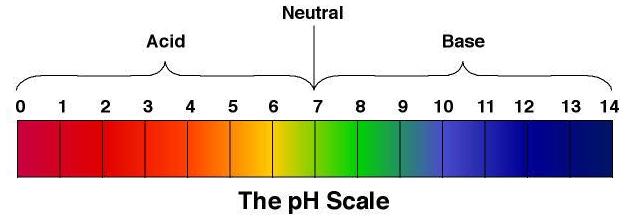
pH scale illustration showing acidity and alkalinity levels, highlighting neutral pH at 7, relevant to dental health discussions on saliva acidity and exercise effects.

If the pH of saliva is increasing, it means it’s becoming more alkaline.

The problem with alkaline saliva is that it promotes an environment for tartar and plaque, which is like infrastructure needed for bacterial cultures to slowly degrade our teeth.

There you have it. Exercise is bad for our dental health. Science says so!

We can all stop exercising now, right?

Well, no.

The Athlete’s Guide to Better Oral Health

Although Wolfsburg’s Schmidt may not have the exact details right, he may be on to something as far as forcing his players to brush their teeth after practice goes.

Obviously, we can’t stop exercising. There are too many other benefits.

  • Reduced risk of cardiovascular disease
  • Reduced risk of diabetes
  • Reduced risk of (some) cancers
  • Stronger bones and muscles
  • Stronger mental health
  • Longer lifespan

These are just some of the benefits.

The best way to combat the dental erosion and tooth decay associated with exercise is through good oral hygiene habits.

Brush your teeth, floss, drink a lot of water, and see your dentist at least twice a year.

That last point is not an attempt to get more business.

It’s a genuine recommendation.

Even people with the best dental genetics and the best hygienic habits develop plaque, tartar, tooth decay, and gum disease. They come to the dentist because brushing your teeth isn’t perfect; perfection doesn’t exist. Regularly visiting the dentist is just another layer of defense.

Final Thoughts

What about sports drinks?

We hear all the time about how sports drinks increase the likelihood of tooth decay and dental erosion.

The evidence here is mixed.

According to Dr. Cornelia Frese, who’s quoted in a 2014 New York Times article, “We had thought sports drinks and nutrition might have the most detrimental influence on dental decay,” she said, “but we saw no direct link” between them.”

A 2005 paper by von Fraunhofer and Rogers, however, found that it was energy/sports drinks that “showed the most aggressive dissolution effect on dental enamel.” Milosevic, in a 1997 article, found similar, but more muted results.

The fact of the matter is that any way you look at it, you can’t dispense of exercise and you don’t necessarily need to dispense of sports drinks, the essential point is always that you need to take care of your oral hygiene. And you need to know how what you do affects other parts of your body so that, if you are intensively working out, you’re also brushing your teeth more often.

Facebook icon representing Dr. Del Kovacevic DMD's dental practice and its focus on promoting electric toothbrushes and oral health.Google+ logo, circular design, red background, representing social media engagement for Dr. Del Kovacevic's dental practice and oral care products.Twitter logo representing Dr. Del Kovacevic DMD's dental practice, emphasizing engagement in oral health discussions and electric toothbrush recommendations.
Dr. Del Kovacevic
Dr. Del Kovacevic
Why did I become a dentist? What makes me wake up in the morning?

It's hard to answer this question and not sound cheesy, but the truth is that there is something special about the way a patient smiles at you after looking at their new crown or their new veneer, or even after a simple cleaning. There's a gleam of confidence and awareness in their eyes, and it's absolutely magical. That's why I'm a dentist.
Previous post The Dental Plights of the Ancient 1 Percent Next post Do we Really Have Stem Cells in Our Teeth? We do.
Del Kovacevic DMD logo representing cosmetic dentistry and implantology services.
  • Our Team
  • Family Dentistry
  • Cosmetic Dentistry
  • Dental Implants
  • Dentures
  • Smile Gallery
  • Contact
  • Sitemap

Dr. Del Kovacevic Cosmetic, Family & Implant Dentistry

700 Pellis Rd.
Greensburg, PA 15601

(724) 836-2433

Directions

Facebook
Twitter
Google+
Yelp
© 2020 Del Kovacevic, DMD.

Understanding the Impact of Acidity on Dental Health

Acidity plays a significant role in dental health, particularly for athletes who engage in intense physical activities. When exercising, the body can produce more acid, which may lead to erosion of tooth enamel if not managed properly. This erosion can result in increased sensitivity and a higher risk of cavities.

Research indicates that the pH level in the mouth can drop during and after exercise, which can be detrimental to teeth. Maintaining a balanced diet and staying hydrated can help mitigate these effects. Consuming alkaline foods and beverages can also assist in neutralizing acidity, promoting better oral health for active individuals.

The Role of Saliva in Oral Health During Exercise

Saliva is a crucial component of oral health, acting as a natural defense mechanism against decay and erosion. During exercise, however, saliva production may decrease, leading to a dry mouth that can exacerbate dental issues. Understanding this relationship is essential for athletes to maintain their dental hygiene.

Saliva not only helps to wash away food particles but also neutralizes acids produced by bacteria in the mouth. Athletes should be aware of the importance of hydration and consider using saliva substitutes or chewing sugar-free gum to stimulate saliva flow during long workouts.

Best Practices for Oral Hygiene for Active Individuals

For those who lead an active lifestyle, maintaining proper oral hygiene is vital to prevent dental problems. Regular brushing, flossing, and using mouthwash can help combat the effects of exercise on teeth. Athletes should prioritize their oral care routine to ensure their dental health is not compromised.

Incorporating dental care into a post-exercise routine can be beneficial. This includes brushing teeth after workouts and rinsing with water to remove any residual acidity. Additionally, scheduling regular dental check-ups can help identify potential issues early on, ensuring a healthy smile for active individuals.

The Connection Between Sports Drinks and Dental Erosion

Many athletes consume sports drinks to replenish electrolytes and energy lost during exercise. However, these beverages often contain high levels of sugar and acids that can contribute to dental erosion. Understanding the impact of these drinks on oral health is crucial for maintaining a healthy smile.

Studies have shown that the acidic nature of sports drinks can lead to enamel wear over time. Athletes should consider alternatives such as water or homemade electrolyte solutions that are less harmful to dental health. Awareness and moderation in the consumption of sports drinks can help mitigate their negative effects.

Understanding the Impact of Acidity on Dental Health

Acidity plays a significant role in dental health, particularly for athletes who engage in intense physical activities. When exercising, the body can produce more acid, which may lead to erosion of tooth enamel if not managed properly. This erosion can result in increased sensitivity and a higher risk of cavities.

Research indicates that the pH level in the mouth can drop during and after exercise, which can be detrimental to teeth. Maintaining a balanced diet and staying hydrated can help mitigate these effects. Consuming alkaline foods and beverages can also assist in neutralizing acidity, promoting better oral health for active individuals.

The Role of Saliva in Oral Health During Exercise

Saliva is a crucial component of oral health, acting as a natural defense mechanism against decay and erosion. During exercise, however, saliva production may decrease, leading to a dry mouth that can exacerbate dental issues. Understanding this relationship is essential for athletes to maintain their dental hygiene.

Saliva not only helps to wash away food particles but also neutralizes acids produced by bacteria in the mouth. Athletes should be aware of the importance of hydration and consider using saliva substitutes or chewing sugar-free gum to stimulate saliva flow during long workouts.

Best Practices for Oral Hygiene for Active Individuals

For those who lead an active lifestyle, maintaining proper oral hygiene is vital to prevent dental problems. Regular brushing, flossing, and using mouthwash can help combat the effects of exercise on teeth. Athletes should prioritize their oral care routine to ensure their dental health is not compromised.

Incorporating dental care into a post-exercise routine can be beneficial. This includes brushing teeth after workouts and rinsing with water to remove any residual acidity. Additionally, scheduling regular dental check-ups can help identify potential issues early on, ensuring a healthy smile for active individuals.

The Connection Between Sports Drinks and Dental Erosion

Many athletes consume sports drinks to replenish electrolytes and energy lost during exercise. However, these beverages often contain high levels of sugar and acids that can contribute to dental erosion. Understanding the impact of these drinks on oral health is crucial for maintaining a healthy smile.

Studies have shown that the acidic nature of sports drinks can lead to enamel wear over time. Athletes should consider alternatives such as water or homemade electrolyte solutions that are less harmful to dental health. Awareness and moderation in the consumption of sports drinks can help mitigate their negative effects.