
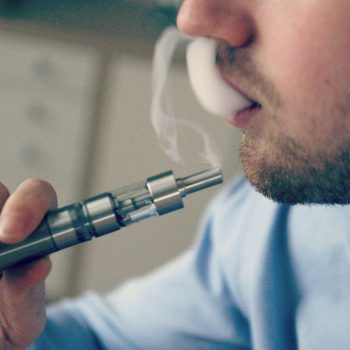
Right around the time when new laws and taxes have severely decreased the number of people that smoke in America, a new form of nicotine use has burst onto the scene. Vaping is marketed as the safe new alternative to smoking cigarettes, but with new research available, is vaping really as safe as they seem?…
Understanding Bruxism: Causes and Treatments
Bruxism, the involuntary grinding or clenching of teeth, can lead to significant dental issues if left untreated. This condition often occurs during sleep, but can also happen during waking hours, often as a response to stress or anxiety. Understanding the causes of bruxism is crucial for effective management and treatment.
Common causes of bruxism include stress, sleep disorders, and lifestyle factors such as caffeine and alcohol consumption. Treatment options range from behavioral therapies to dental interventions like mouthguards, which can help protect teeth from damage and alleviate discomfort associated with this condition.
Impact of Bruxism on Oral Health
The effects of bruxism on oral health can be severe, leading to tooth wear, fractures, and even loss of teeth. Chronic grinding can also contribute to jaw pain and temporomandibular joint (TMJ) disorders, making it essential for individuals to recognize the signs and seek appropriate care.
Patients experiencing symptoms of bruxism, such as headaches, tooth sensitivity, or jaw discomfort, should consult a dental professional for evaluation. Early intervention can prevent more serious complications and improve overall dental health.
Preventive Strategies for Bruxism
Preventing bruxism involves a combination of lifestyle changes and dental care. Stress management techniques, such as mindfulness and relaxation exercises, can significantly reduce the likelihood of teeth grinding. Additionally, avoiding stimulants like caffeine and alcohol, especially before bedtime, can help mitigate symptoms.
Regular dental check-ups are also vital for identifying early signs of bruxism. Dentists can provide custom mouthguards to protect teeth and advise on other preventive measures tailored to individual needs.
Bruxism and Vaping: What You Need to Know
Recent studies suggest a link between vaping and increased instances of bruxism, particularly among younger populations. The nicotine in vape products can contribute to anxiety and stress, which are known triggers for teeth grinding.
Moreover, vaping can lead to dry mouth, exacerbating dental issues for those who already suffer from bruxism. It is essential for patients to discuss their vaping habits with their dental care providers to address any potential impacts on their oral health.
Understanding Bruxism: Causes and Treatments
Bruxism, the involuntary grinding or clenching of teeth, can lead to significant dental issues if left untreated. This condition often occurs during sleep, but can also happen during waking hours, often as a response to stress or anxiety. Understanding the causes of bruxism is crucial for effective management and treatment.
Common causes of bruxism include stress, sleep disorders, and lifestyle factors such as caffeine and alcohol consumption. Treatment options range from behavioral therapies to dental interventions like mouthguards, which can help protect teeth from damage and alleviate discomfort associated with this condition.
Impact of Bruxism on Oral Health
The effects of bruxism on oral health can be severe, leading to tooth wear, fractures, and even loss of teeth. Chronic grinding can also contribute to jaw pain and temporomandibular joint (TMJ) disorders, making it essential for individuals to recognize the signs and seek appropriate care.
Patients experiencing symptoms of bruxism, such as headaches, tooth sensitivity, or jaw discomfort, should consult a dental professional for evaluation. Early intervention can prevent more serious complications and improve overall dental health.
Preventive Strategies for Bruxism
Preventing bruxism involves a combination of lifestyle changes and dental care. Stress management techniques, such as mindfulness and relaxation exercises, can significantly reduce the likelihood of teeth grinding. Additionally, avoiding stimulants like caffeine and alcohol, especially before bedtime, can help mitigate symptoms.
Regular dental check-ups are also vital for identifying early signs of bruxism. Dentists can provide custom mouthguards to protect teeth and advise on other preventive measures tailored to individual needs.
Bruxism and Vaping: What You Need to Know
Recent studies suggest a link between vaping and increased instances of bruxism, particularly among younger populations. The nicotine in vape products can contribute to anxiety and stress, which are known triggers for teeth grinding.
Moreover, vaping can lead to dry mouth, exacerbating dental issues for those who already suffer from bruxism. It is essential for patients to discuss their vaping habits with their dental care providers to address any potential impacts on their oral health.