Did you play sports as a kid or teenager? Over 45 million school-age American children play sports each year, and the benefits it yields are physical, mental, and social. However, some habits that teens engage in can be detrimental to their smiles, often without them even knowing it. Explore how Jennifer, a lifelong athlete from…
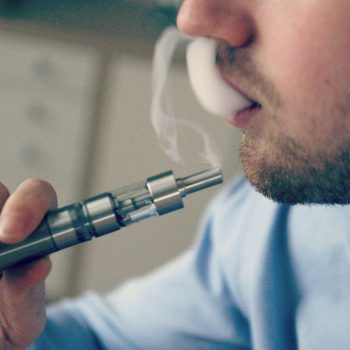
Right around the time when new laws and taxes have severely decreased the number of people that smoke in America, a new form of nicotine use has burst onto the scene. Vaping is marketed as the safe new alternative to smoking cigarettes, but with new research available, is vaping really as safe as they seem?…
Understanding Dry Mouth: Causes and Solutions
Dry mouth, or xerostomia, is a condition that occurs when the salivary glands do not produce enough saliva. This can lead to discomfort and various oral health issues, including tooth decay and gum disease. Individuals experiencing dry mouth may notice difficulties in speaking, swallowing, or tasting food, which can significantly impact their quality of life.
Common causes of dry mouth include medications, certain medical conditions, and lifestyle factors such as smoking or dehydration. For instance, many antihistamines and antidepressants can reduce saliva production. It is crucial for individuals experiencing persistent dry mouth to consult with a dental professional to explore treatment options and preventive measures.
Impact of Dry Mouth on Oral Health
Dry mouth can have a profound impact on oral health, increasing the risk of cavities, gum disease, and bad breath. Saliva plays a vital role in neutralizing acids produced by bacteria in the mouth, washing away food particles, and providing essential minerals to teeth. Without adequate saliva, the mouth becomes more susceptible to harmful bacteria and plaque buildup.
Research indicates that individuals with dry mouth are significantly more likely to develop dental caries compared to those with normal saliva production. Regular dental check-ups and good oral hygiene practices become even more critical for those affected by this condition to maintain their oral health and prevent complications.
Preventive Measures for Managing Dry Mouth
Managing dry mouth involves a combination of lifestyle changes and professional interventions. Staying hydrated, using saliva substitutes, and avoiding alcohol and caffeine can help alleviate symptoms. Chewing sugar-free gum or sucking on sugar-free candies can stimulate saliva flow, providing temporary relief.
Additionally, dental professionals may recommend specific products designed to combat dry mouth, such as mouthwashes and gels. Regular dental visits are essential for monitoring oral health and adjusting treatment plans as needed, ensuring that individuals can maintain a healthy smile despite the challenges posed by dry mouth.
FAQs About Dry Mouth
Many people have questions regarding dry mouth, especially concerning its causes and treatments. Common inquiries include whether dry mouth is a normal part of aging or if it can be caused by underlying health conditions. Understanding these aspects can empower individuals to seek appropriate care and make informed decisions about their oral health.
Another frequent question revolves around the effectiveness of over-the-counter products for dry mouth relief. While many find temporary relief from these products, consulting a dentist for personalized recommendations is advisable, as some underlying causes may require targeted treatments or adjustments to medications.

Understanding Dry Mouth: Causes and Solutions
Dry mouth, or xerostomia, is a condition that occurs when the salivary glands do not produce enough saliva. This can lead to discomfort and various oral health issues, including tooth decay and gum disease. Individuals experiencing dry mouth may notice difficulties in speaking, swallowing, or tasting food, which can significantly impact their quality of life.
Common causes of dry mouth include medications, certain medical conditions, and lifestyle factors such as smoking or dehydration. For instance, many antihistamines and antidepressants can reduce saliva production. It is crucial for individuals experiencing persistent dry mouth to consult with a dental professional to explore treatment options and preventive measures.
Impact of Dry Mouth on Oral Health
Dry mouth can have a profound impact on oral health, increasing the risk of cavities, gum disease, and bad breath. Saliva plays a vital role in neutralizing acids produced by bacteria in the mouth, washing away food particles, and providing essential minerals to teeth. Without adequate saliva, the mouth becomes more susceptible to harmful bacteria and plaque buildup.
Research indicates that individuals with dry mouth are significantly more likely to develop dental caries compared to those with normal saliva production. Regular dental check-ups and good oral hygiene practices become even more critical for those affected by this condition to maintain their oral health and prevent complications.
Preventive Measures for Managing Dry Mouth
Managing dry mouth involves a combination of lifestyle changes and professional interventions. Staying hydrated, using saliva substitutes, and avoiding alcohol and caffeine can help alleviate symptoms. Chewing sugar-free gum or sucking on sugar-free candies can stimulate saliva flow, providing temporary relief.
Additionally, dental professionals may recommend specific products designed to combat dry mouth, such as mouthwashes and gels. Regular dental visits are essential for monitoring oral health and adjusting treatment plans as needed, ensuring that individuals can maintain a healthy smile despite the challenges posed by dry mouth.
FAQs About Dry Mouth
Many people have questions regarding dry mouth, especially concerning its causes and treatments. Common inquiries include whether dry mouth is a normal part of aging or if it can be caused by underlying health conditions. Understanding these aspects can empower individuals to seek appropriate care and make informed decisions about their oral health.
Another frequent question revolves around the effectiveness of over-the-counter products for dry mouth relief. While many find temporary relief from these products, consulting a dentist for personalized recommendations is advisable, as some underlying causes may require targeted treatments or adjustments to medications.